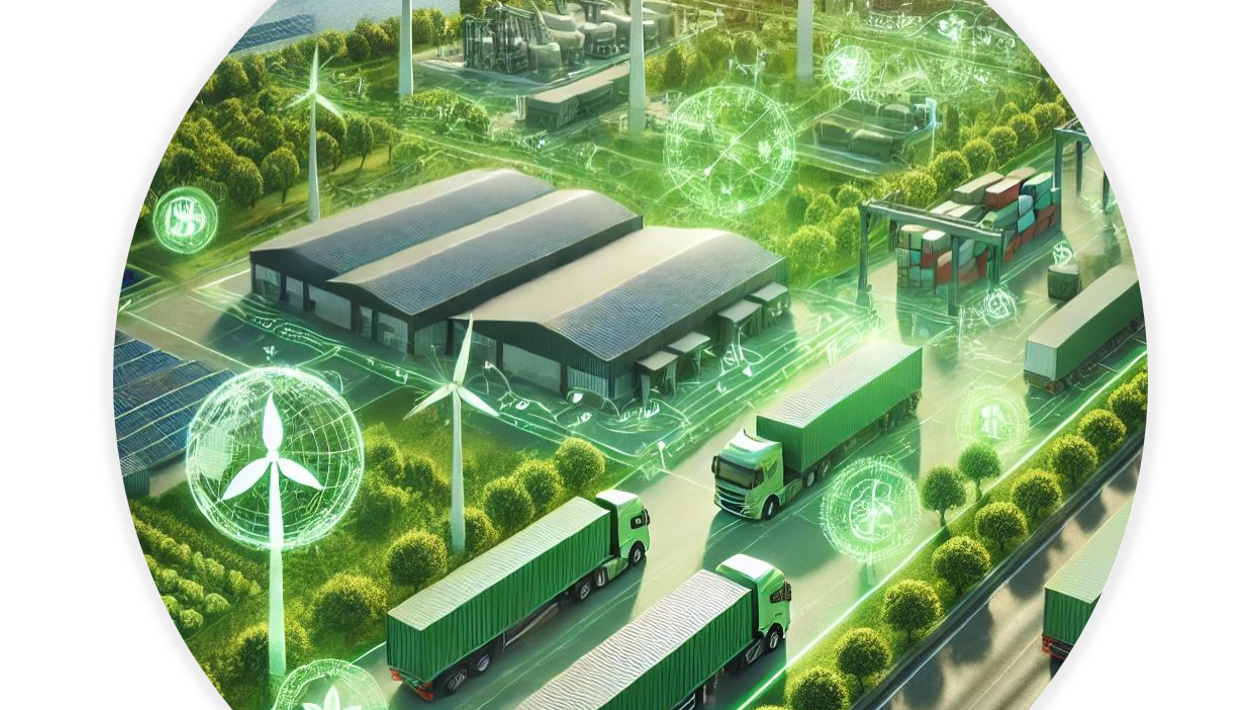

The future of eco-friendly logistics and sustainable transport is defined by a transition toward decarbonisation, digitalization, and circularity. As the transport sector contributes approximately one-third of global CO2 emissions, the industry is shifting from a purely cost-driven model to one that balances the “Triple Bottom Line”: People, Planet, and Profit.
Decarbonisation of Transportation Fleets
- Electric Vehicles (EVs): Battery-electric trucks and vans are becoming the standard for last-mile delivery in urban areas where emissions regulations (e.g., ULEZ) are tightening.
- Hydrogen Fuel Cells: For heavy-duty, long-haul freight where battery weight and range are limiting factors, hydrogen is emerging as a critical zero-emission alternative due to faster refuelling times.
- Alternative Fuels: Sustainable Aviation Fuel (SAF) for air cargo and biofuels or methanol for maritime shipping are being adopted to bridge the gap for hard-to-abate sectors.
- Modal Shifting: A strategic shift from road to rail and waterborne transport is increasing, as rail is significantly more energy-efficient for large volumes.
Sustainable Warehousing and Packaging
- Green Facilities: Modern warehouses are becoming carbon-neutral through on-site renewable energy (solar/wind), LED lighting, and smart climate control systems.
- Innovative Packaging: Single-use plastics are being replaced by biodegradable materials (e.g., seaweed or mushroom-based), reusable mailers, and custom-fit designs that eliminate excess filler waste.
- Circular Economy: “Reverse logistics” is expanding, focusing on managing returns for refurbishment, recycling, or resale to close the loop on product lifecycles.
Economic and Strategic Drivers
- Regulatory Compliance: Tightening government targets (e.g., the UK’s 2050 net-zero goal) and carbon taxes are making sustainable practices a legal and financial necessity.
- Consumer Demand: Over 70% of online shoppers report that sustainability influences their buying decisions, with many willing to accept slower delivery for a lower environmental impact.
- Cost Savings: While upfront costs for green tech are high, long-term savings stem from reduced energy consumption, lower maintenance for EVs, and avoided penalties.